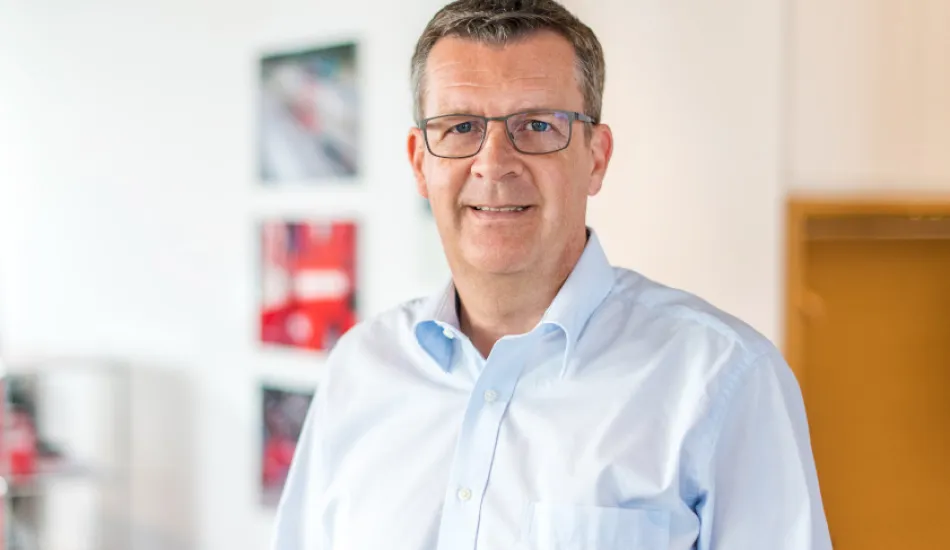
Metal and waste transport places higher demands than many clients expect. Which vehicles are used? What may be transported and what may not? And what obligations does the client bear themselves? Peter P. Stöcker, Management of Karl Michels GmbH & Co. KG, provides answers.
Table of Contents
What exactly is meant by metal and waste transport?
Peter P. Stöcker: Metal and waste transport covers the transport of metals, scrap, and waste fractions originating from industrial processes, demolition, or disposal. This is classic bulk goods: voluminous, heavy, and highly varied in nature. Sometimes we are dealing with clean steel scrap, sometimes with steel swarf containing emulsion residues, sometimes with sludge from metalworking operations. Every job is a little different.
What many people do not know: these transports are not automatically straightforward. The requirements for the vehicle, driver, and permit depend heavily on exactly what is being transported. And that is often where the first surprise comes for clients.
Which metals and scrap does Michels transport?
Peter P. Stöcker: We transport all metals and scrap – that is deliberately broadly stated. In concrete terms, this means:
- Steel scrap and iron scrap in all common fractions
- Non-ferrous metals such as aluminium and copper
- Steel swarf – including with residual emulsion or coolant contamination
- Sludge from metalworking operations
- Bio-waste and other waste fractions
- Hazardous waste – domestic and cross-border
The decisive point: our steel tipper trailers are constructed to be liquid-tight. That is not a given. Only because of this can we transport sludge, swarf with emulsion residues, or other moist fractions safely and in compliance with the law.
Which vehicles are used?
Peter P. Stöcker: For metal and waste transport we use modern steel tipper trailers. These have a payload volume of up to 55 m³ – that is important because scrap is often very voluminous. Particularly with light, bulky fractions, you need the volume to actually achieve a full load by weight.
All our tipper semi-trailers are equipped with roller tarpaulins. This protects moisture-sensitive goods from dampness during transport.
For hazardous goods transport, the vehicles are equipped accordingly and meet all legal requirements. A complete overview of all vehicle types and transport solutions is available on the Logistics Solutions overview.
What do clients need to know when placing an order?
Peter P. Stöcker: That is a question I am very happy to answer – because in practice many mistakes happen here that could be avoided.
First: the classification of the material is the responsibility of the client. Anyone who has waste or scrap transported must know what they have. Is the material classified as hazardous waste? Does it contain residual contamination that requires special handling? This assessment is the task of the client – not the freight forwarder. We can advise, but the responsibility for correct declaration lies with the consignor.
Second: not every freight forwarder is permitted to transport everything. The transport of hazardous waste requires a transport permit pursuant to § 54 KrWG – or certification as a waste management company pursuant to § 56 KrWG, which includes this permit. Anyone who does not check this and commissions an unqualified service provider bears a considerable liability risk themselves. This is not a peripheral issue – it is compliance. Our certifications are publicly accessible.
Third: cross-border transports require additional permits. Waste generators who have scrap or waste transported abroad generally require a notification under the EU Waste Shipment Regulation (Regulation (EU) 2024/1157, in force since 21 May 2026). This is an administrative procedure that requires some time from application to execution and must be carried out correctly. We are DIWASS-registered and able to participate digitally in the notification procedure.
When does a transport become a hazardous waste transport?
Peter P. Stöcker: That is one of the most frequent questions we receive from clients – and the answer is: it depends on the material. Not every piece of scrap is hazardous waste. Clean steel scrap without contamination is generally not hazardous waste. But as soon as residual contamination from oils, emulsions, solvents, or other substances comes into play, that can change. Certain combustion ashes or sludge can also be classified as hazardous waste.
Hazardous goods transport is also possible with our vehicles. The vehicles are equipped accordingly and the drivers can provide evidence of ADR training. Here too, the consignor must ensure that the hazardous goods are correctly classified. Anyone who fails to do so risks fines – and in the event of damage, considerable liability consequences.
Comparable requirements also apply to silo transport of hazardous substances – more on this in our expert article "What is silo transport?".
What distinguishes a certified waste management company from other freight forwarders?
Peter P. Stöcker: Karl Michels GmbH & Co. KG is a certified waste management company pursuant to § 56 of the Circular Economy Act (KrWG). This means: we are officially recognised and authorised to transport all non-hazardous and hazardous waste from the European Waste Catalogue – both within Germany and cross-border.
What this means for clients: they can be certain that the transport is handled in full compliance with the law. No grey areas, no liability risks from a non-certified service provider.
This certification is not a given. It requires regular audits, trained specialist personnel, and appropriate vehicle equipment. For us, it has been an integral part of our service offering since 2005. All current documentation is available under Certifications.
Why is Michels the right partner for metal and waste transport?
Peter P. Stöcker: We have been doing this for decades. Metal and waste transport is a classic component of our fleet – alongside silo transport, tipping trailers, and walking-floor trailers. We know the requirements, we know the goods, and we know the legal framework.
What sets us apart:
- Modern steel tipper trailers with a payload volume of up to 55 m³
- Liquid-tight construction for sludge, swarf with emulsion residues, and moist fractions
- Roller tarpaulins to protect moisture-sensitive goods
- Hazardous goods equipment for all relevant transport classes
- Certified waste management company pursuant to § 56 KrWG – national and international
- National and international transport permits
Our site in Meudt in the Westerwald is conveniently situated between Cologne and Frankfurt, with direct access to the A3 and indirect connections to the A5, A48, and A61. This enables fast response times and efficient route planning for domestic transports. For a direct enquiry, the team is available at Submit enquiry.
FAQ: Frequently Asked Questions about Metal and Waste Transport
What is metal and waste transport?
Metal and waste transport covers the transport of metals, scrap, and waste fractions originating from industrial processes, demolition, or disposal. They are classified as classic bulk goods transport and require specific vehicles and permits depending on the material. More information on the Metal and Waste Transport service page.
Which metals can be transported?
All metals and scrap can be transported: steel scrap, iron scrap, non-ferrous metals such as aluminium and copper, steel swarf, sludge, and hazardous waste with metallic content. Karl Michels GmbH & Co. KG has liquid-tight steel tipper trailers that can also accommodate moist fractions and swarf with emulsion residues.
Who is responsible for the correct classification of the material?
The classification of the goods to be transported – in particular the question of whether they constitute hazardous waste – is the responsibility of the client. The freight forwarder can advise, but the declaration obligation lies with the consignor.
Is every freight forwarder permitted to transport hazardous waste?
No. The transport of hazardous waste requires a transport permit pursuant to § 54 KrWG or certification as a waste management company pursuant to § 56 KrWG. Karl Michels GmbH & Co. KG holds this certification and is authorised to transport all waste from the European Waste Catalogue – nationally and internationally. All documentation: Certifications.
What needs to be observed for cross-border scrap transport?
Cross-border transport of waste is subject to the EU Waste Shipment Regulation (Regulation (EU) 2024/1157, in force since 21 May 2026). Depending on the type of waste and the destination country, an official notification may be required. Karl Michels GmbH & Co. KG holds international transport permits and advises clients on correct handling.
Which vehicles are used for metal and waste transport?
Modern steel tipper trailers with a usable volume of up to 55 m³ are used. The vehicles are liquid-tight, equipped with roller tarpaulins, and fitted out for hazardous goods transport. The complete fleet is shown in the Logistics Solutions overview.
Does Michels also offer domestic metal transport?
Yes. Domestic metal and waste transport – in various forms and for different fractions – is a classic part of the service offering of Karl Michels GmbH & Co. KG. Submit an enquiry now.
Peter P. Stöcker is a member of the Management of Karl Michels GmbH & Co. KG in Meudt in the Westerwald. The company was founded in 1937 and is today in its fourth generation. With a fleet of over 100 vehicles and more than 180 employees, Michels provides logistics services throughout Europe – specialising in silo transport, metal and waste transport, warehouse logistics, and big bag filling.
For all questions, the team of
Karl Michels GmbH & Co. KG is at your disposal.